
Handmade jewelry is more than ornamentation; it’s storytelling, craft, and a direct connection between maker and wearer. Selling handmade jewelry successfully on a marketplace requires more than beautiful pieces — it demands thoughtful product presentation, smart pricing, consistent branding, and customer-focused operations.
This guide walks you through practical, actionable tips to help you attract buyers, increase conversions, and build a sustainable jewelry business on 1Knowledge MarketPlace.

1. Know Your Niche and Ideal Customer
Before you list a single item, define who you’re making jewelry for and what makes your pieces unique.
- Identify your niche. Are you creating minimalist silver rings, gemstone statement necklaces, eco-friendly resin pieces, or personalized name bracelets? Narrowing your focus helps you stand out and makes marketing easier.
- Create a buyer persona. Think about age, style preferences, budget, and buying motivations. Are they gift buyers, trend-followers, or collectors? Tailor product descriptions, photos, and promotions to that persona.
- Research competitors. Look at top sellers in your niche: what materials, price points, and photography styles do they use? Don’t copy — learn what resonates and find gaps you can fill.
Why it matters: A clear niche reduces noise, improves search relevance on marketplaces, and helps you craft messaging that converts.

2. Perfect Your Product Photography
Photos are the single most important factor in online jewelry sales. Shoppers can’t touch or try on your pieces, so images must communicate scale, texture, color, and quality.
- Use multiple angles. Include close-ups, scale shots (jewelry on a model or next to a common object), and lifestyle images showing how the piece looks worn.
- Prioritize lighting. Natural, diffused light reduces harsh shadows and shows true color. Use a lightbox for small items to get consistent results.
- Show details. Capture clasps, hallmarks, stone settings, and any unique textures. Buyers want to see craftsmanship.
- Keep backgrounds simple. Neutral backgrounds keep focus on the jewelry; use props sparingly to convey lifestyle without distracting.
- Optimize image sizes. High-resolution images that load quickly are ideal. Follow marketplace image guidelines for dimensions and file size.
Why it matters: Great photos increase click-through rates and reduce returns by setting accurate expectations.

3. Write Compelling, Clear Product Descriptions
A strong description complements your photos and answers buyer questions before they’re asked.
- Lead with the essentials. Start with a one-line summary: material, style, and standout feature (e.g., “Sterling silver hammered hoop with freshwater pearl accent”).
- Include specs. List materials, dimensions, weight, closure type, stone details, and care instructions.
- Tell the story. Briefly explain inspiration, technique, or the meaning behind the piece. Stories build emotional value.
- Set expectations. Note processing time, shipping windows, and whether items are made-to-order or ready-to-ship.
- Use keywords naturally. Include search-friendly terms buyers use (e.g., “dainty gold necklace,” “boho anklet,” “custom name bracelet”) but avoid keyword stuffing.
Why it matters: Clear descriptions reduce buyer hesitation and improve search visibility on the marketplace.

4. Price Strategically and Transparently
Pricing handmade jewelry is both art and math. You must cover costs, value your time, and remain competitive.
- Calculate true costs. Include materials, tools amortization, packaging, marketplace fees, shipping, and a fair hourly wage for your time.
- Use tiered pricing. Offer a range of items (entry-level, mid-range, premium) to attract different buyers and increase average order value.
- Factor perceived value. Handcrafted techniques, limited editions, and custom options justify higher prices.
- Be transparent about custom work. If you charge extra for personalization, list the base price and add-on fees clearly.
- Test and iterate. If items aren’t selling, try small price adjustments, bundle offers, or limited-time discounts rather than deep permanent cuts.
Why it matters: Proper pricing ensures profitability and communicates quality to buyers.
5. Optimize Your Listings for Marketplace Search
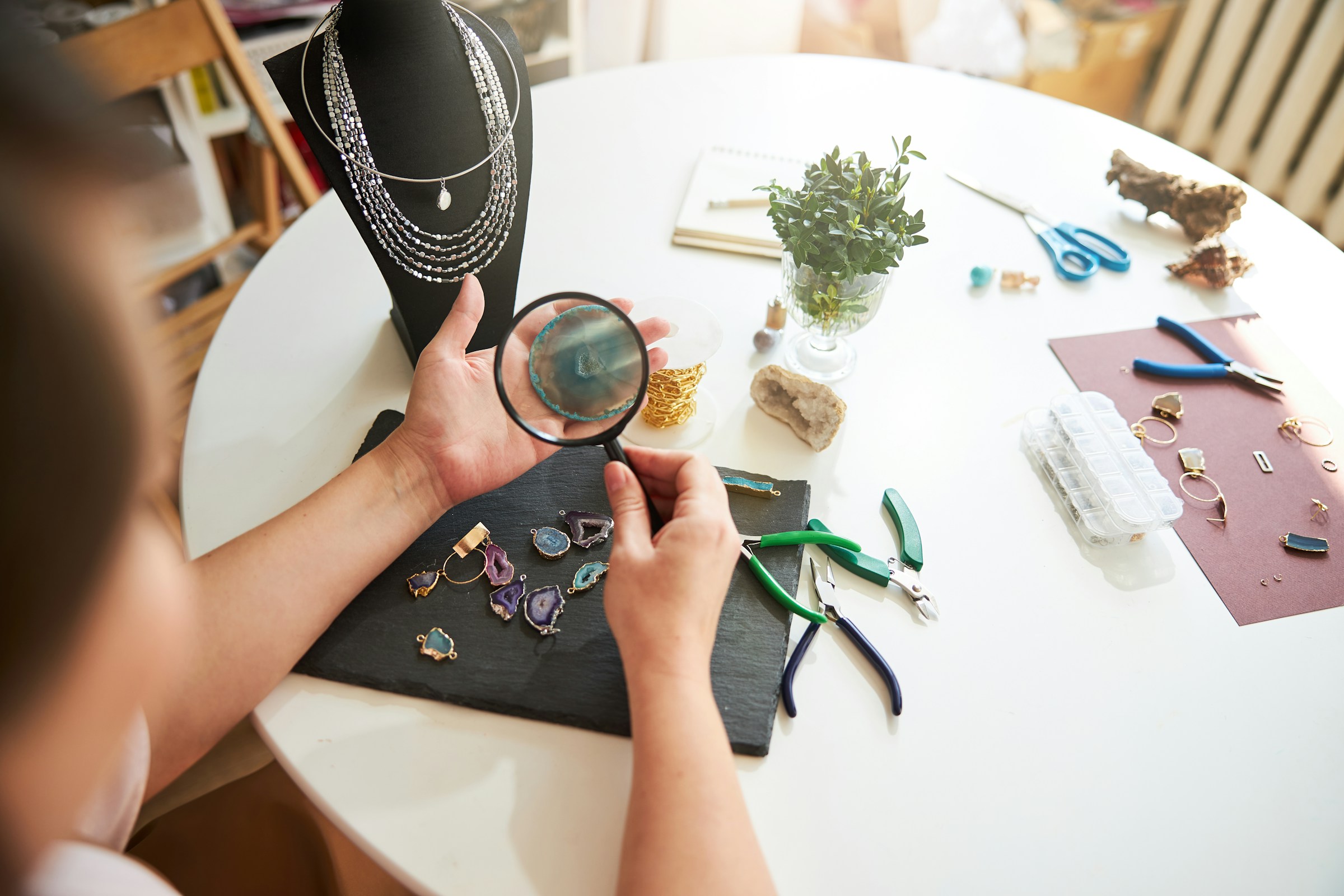
Marketplaces use search algorithms that reward relevance, completeness, and engagement.
- Use accurate categories and tags. Choose the most specific category and add relevant tags (material, style, occasion).
- Craft SEO-friendly titles. Put the most important keywords first: “Sterling Silver Stacking Ring — Hammered Finish, Minimalist.”
- Fill out all fields. Complete attributes like metal type, gemstone, size, and occasion to improve discoverability.
- Encourage reviews. Positive reviews boost ranking. Follow up politely after delivery to request feedback.
- Monitor analytics. Use marketplace insights to see which listings get impressions but low clicks — that signals a need for better photos or titles.
Why it matters: Optimization increases organic visibility and drives more qualified traffic to your listings.
6. Offer Customization and Personalization Carefully
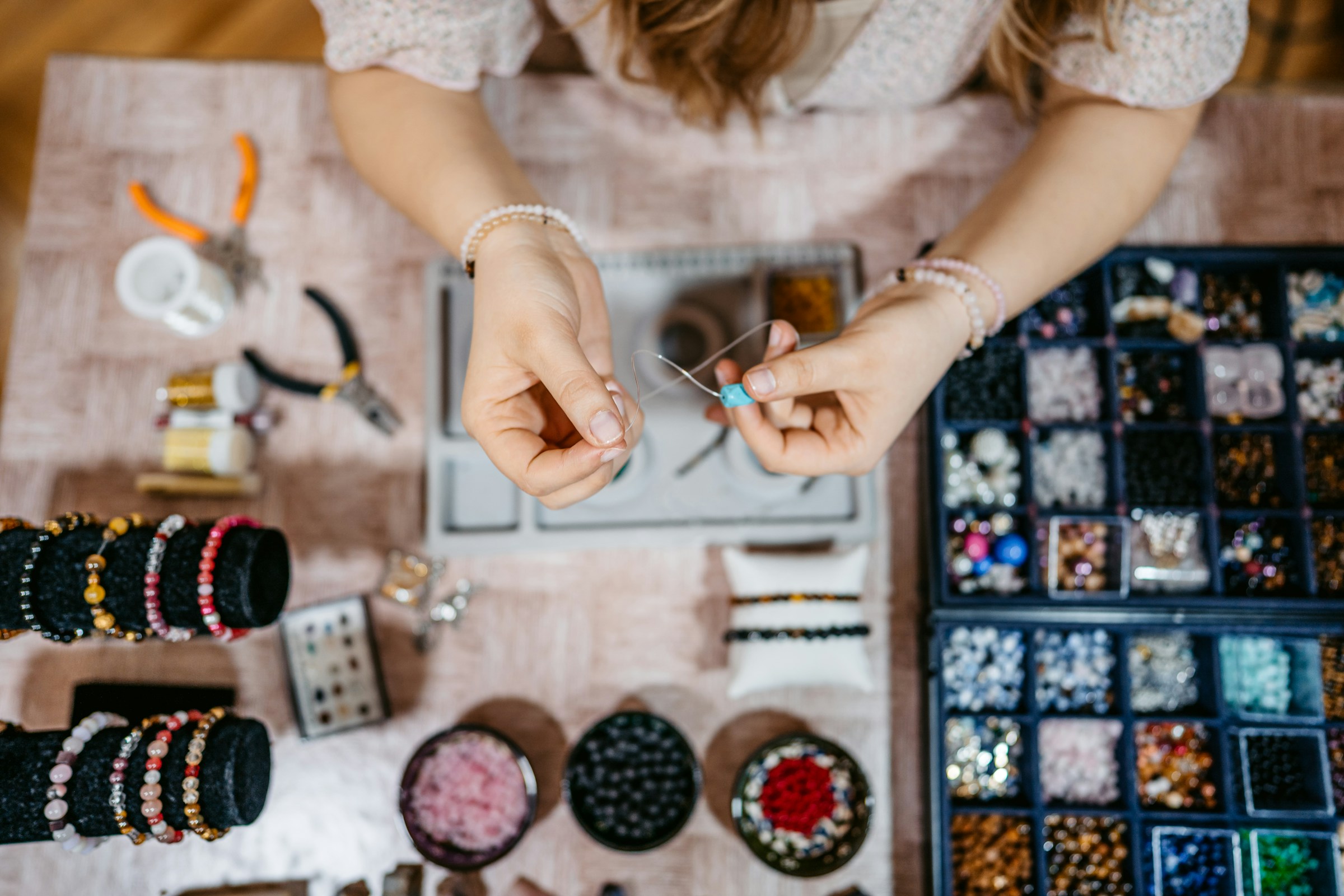
Customization can be a major differentiator but adds complexity.
- Limit options. Offer a few meaningful choices (e.g., metal type, engraving text, stone color) rather than endless permutations.
- Set clear lead times. Custom pieces take longer; state processing times and shipping expectations up front.
- Use templates for personalization. Standardize engraving formats and character limits to avoid errors.
- Charge appropriately. Add a customization fee to cover extra labor and materials.
- Show examples. Include photos of past custom work to reassure buyers.
Why it matters: Thoughtful personalization increases perceived value and customer loyalty without overwhelming your workflow.

7. Build a Strong Brand and Cohesive Shopfront
A cohesive brand helps buyers remember you and trust your work.
- Create a memorable shop name and logo. Keep it simple, relevant, and easy to spell.
- Use consistent visuals. Match photography style, color palette, and fonts across listings and shop banners.
- Write an engaging “About” page. Share your story, materials sourcing, and ethical practices.
- Design packaging that delights. Branded packaging and a handwritten note create a memorable unboxing experience and encourage social shares.
- Be consistent in voice. Whether playful, elegant, or minimalist, keep your tone consistent across product descriptions and messages.
Why it matters: Branding turns one-time buyers into repeat customers and helps you command higher prices.

8. Master Shipping, Packaging, and Returns
Operational excellence builds trust and reduces friction.
- Offer multiple shipping options. Provide standard and expedited shipping; consider free shipping thresholds to increase order size.
- Protect your pieces. Use padded boxes, anti-tarnish strips, and secure clasps to prevent damage in transit.
- Be transparent about costs and timelines. Show shipping costs early and provide tracking information.
- Have a clear returns policy. State whether you accept returns, for what reasons, and who pays return shipping. Consider offering exchanges or store credit to retain revenue.
- Insure high-value shipments. For expensive pieces, require signature on delivery and insure the package.
Why it matters: Reliable shipping and fair policies reduce disputes and increase buyer confidence.
9. Price and Promote Bundles and Upsells
Increase average order value with smart product pairings.
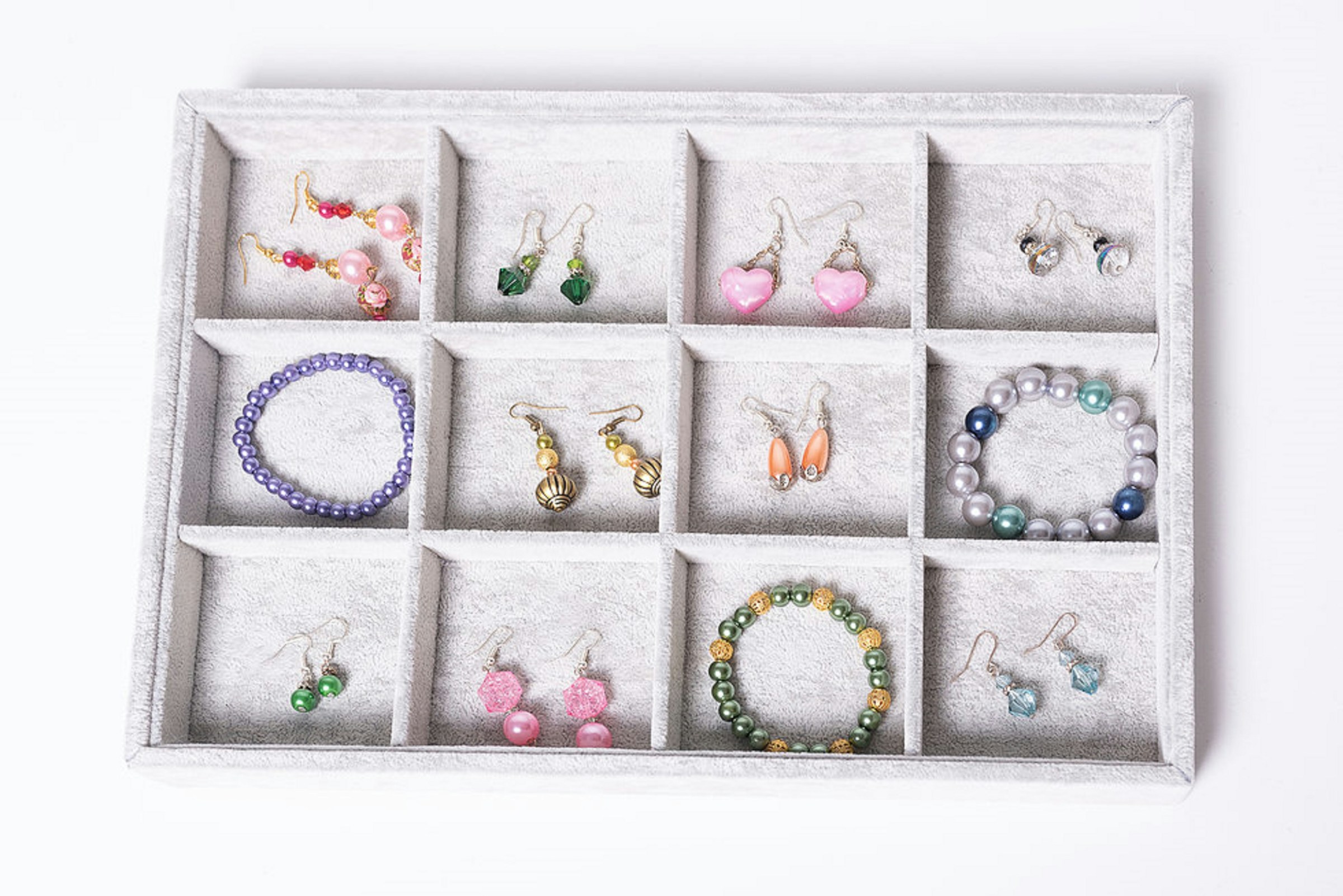
- Create curated sets. Offer matching necklace-and-earring sets at a slight discount.
- Suggest complementary items. Use listing descriptions and marketplace features to recommend add-ons (e.g., polishing cloth, jewelry box).
- Run limited-time bundles. Seasonal bundles (Mother’s Day, holidays) create urgency and gift-ready options.
- Offer tiered discounts. “Buy two, get 10% off” encourages multiple purchases.
Why it matters: Bundles increase revenue per customer and make gifting easier.

10. Use Social Proof and Content Marketing
People buy from makers they trust and feel connected to.
- Show customer photos. Encourage buyers to upload photos and feature them in listings.
- Leverage social media. Post behind-the-scenes content, process videos, and styling ideas to build an audience.
- Run giveaways and collaborations. Partner with influencers or complementary makers to reach new customers.
- Create how-to and care content. Blog posts or short videos on jewelry care, styling tips, or the making process add value and drive organic traffic.
- Highlight press and awards. Feature any media mentions or craft fair accolades prominently.
Why it matters: Social proof reduces purchase anxiety and increases conversion rates.
11. Price for Profitability, Not Just Sales
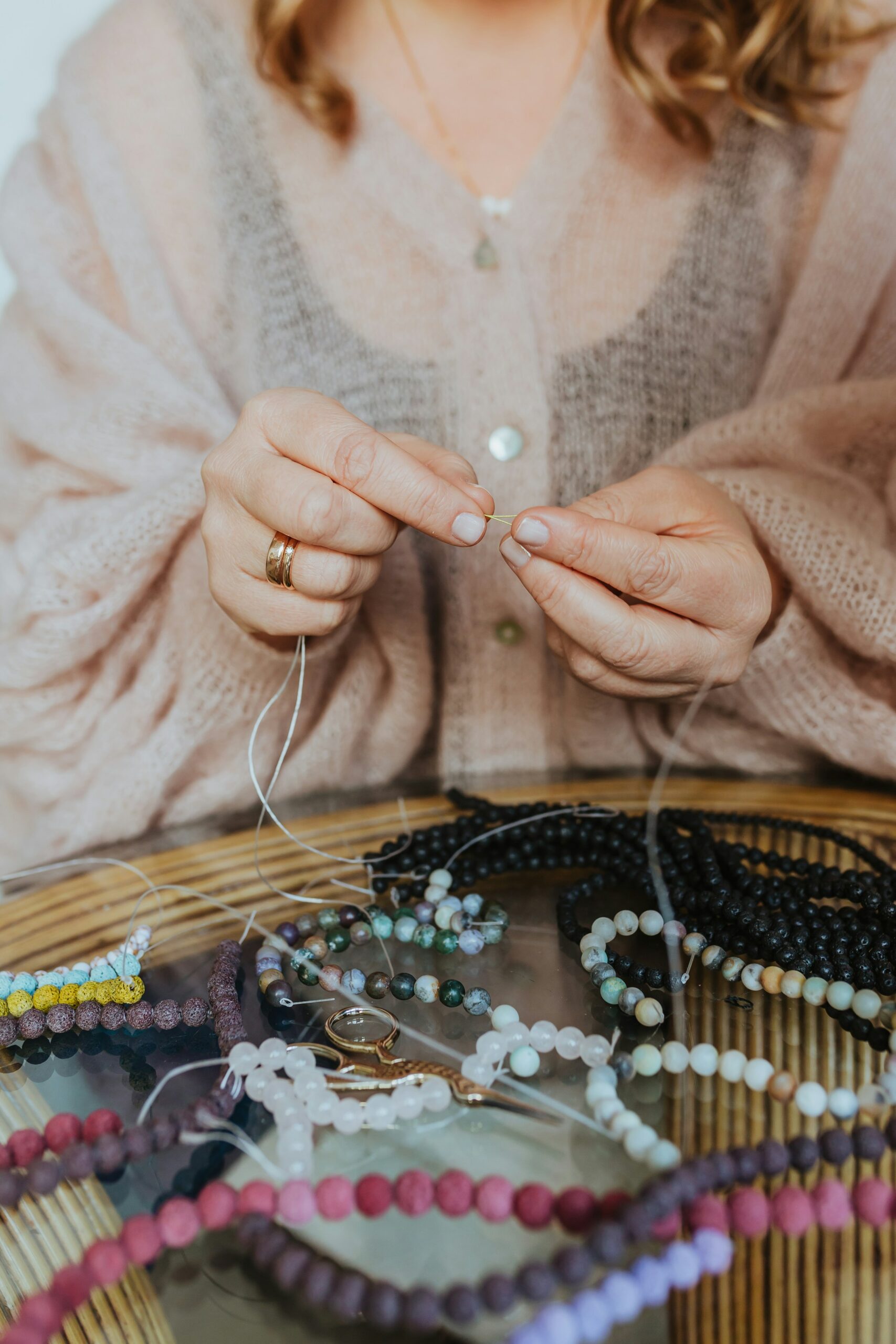
Many makers underprice their work. Profitability ensures you can scale.
- Track all expenses. Use a simple spreadsheet or accounting tool to monitor material costs, fees, and labor.
- Set revenue goals. Know how many pieces you need to sell monthly to cover living costs and reinvest in the business.
- Plan for seasonality. Jewelry sales often spike around holidays; save profits to cover slower months.
- Reinvest strategically. Use profits to improve tools, marketing, or to attend trade shows that expand reach.
Why it matters: Sustainable pricing keeps your business viable and reduces burnout.
12. Provide Exceptional Customer Service
Great service turns buyers into advocates.
- Respond quickly. Aim to reply to inquiries within 24 hours.
- Be proactive. Notify buyers of delays or issues before they ask.
- Personalize communication. Use the buyer’s name and reference their order details.
- Resolve disputes gracefully. Offer solutions like partial refunds, replacements, or store credit when appropriate.
- Ask for feedback. Use post-purchase messages to request reviews and learn how to improve.
Why it matters: Positive interactions lead to repeat business and word-of-mouth referrals.

13. Leverage Marketplaces’ Tools and Promotions
Most marketplaces offer seller tools that can boost visibility.
- Use promoted listings. Paid promotion can jumpstart new products or clear inventory.
- Participate in seasonal campaigns. Join marketplace-wide sales events to reach more buyers.
- Enable local pickup or local delivery. For makers who sell at markets, offering local pickup can reduce shipping friction.
- Use analytics. Monitor which listings perform best and double down on what works.
Why it matters: Marketplace tools amplify your reach without reinventing the wheel.
14. Expand Sales Channels Thoughtfully
Diversify where you sell to reduce dependence on a single platform.
- Start with one marketplace. Master it before expanding to others or your own website.
- Consider wholesale or consignment. Local boutiques and galleries can provide steady orders.
- Attend craft fairs and pop-ups. In-person sales build brand recognition and provide immediate feedback.
- Build an email list. Capture buyers’ emails for repeat marketing and exclusive offers.
Why it matters: Multiple channels stabilize income and grow your brand.

15. Protect Your Work and Maintain Ethics
Respect for materials, customers, and intellectual property matters.
- Be honest about materials. Don’t mislabel plated metals as solid gold; transparency builds trust.
- Respect cultural designs. Avoid appropriating sacred or culturally specific motifs without permission or context.
- Document your designs. Keep records and photos of original work in case of disputes.
- Comply with regulations. Know hallmarking, nickel content, and consumer safety rules in your market.
Why it matters: Ethical practices protect your reputation and reduce legal risk.
Final Checklist Before You Hit “Publish”
- Photos: multiple angles, scale shots, lifestyle image.
- Title: keyword-rich and clear.
- Description: specs, story, care, processing time.
- Price: covers costs + fair wage.
- Shipping: options, packaging, tracking.
- Policies: returns, custom orders, warranties.
- Tags and categories: complete and specific.
- Promotion plan: social, email, marketplace ads.
Selling handmade jewelry is a blend of craft, commerce, and connection. By focusing on clear presentation, honest pricing, consistent branding, and excellent customer service, you’ll not only make sales — you’ll build a loyal following that values your work. Start small, iterate based on feedback, and treat every sale as an opportunity to refine your process and tell your story.