
Expanding your 1Knowledge MarketPlace presence with local delivery through services like DoorDash, Uber Eats, Grubhub, and other couriers is one of the fastest ways to increase sales, reach new customers, and make your products more convenient to buy. For many small sellers, adding third‑party delivery turns casual browsers into immediate buyers, helps you compete with larger stores, and creates a new revenue stream without a permanent brick‑and‑mortar investment. This guide explains why delivery matters, the benefits for 1Knowledge MarketPlace members, how to get started with major platforms, practical tips for operations and pricing, and how to measure success.
Why local delivery matters for 1Knowledge MarketPlace sellers
Customers expect convenience. When shoppers can order online and receive products quickly, they’re more likely to convert and to return. Delivery services bridge the gap between your online listing and the customer’s doorstep, offering:
- Immediate purchase gratification. Fast delivery reduces friction and increases impulse buys.
- Expanded reach within your city. Delivery platforms expose your products to users who search by cuisine, product type, or neighborhood.
- Professional logistics without heavy investment. You don’t need to hire drivers or build a delivery fleet; platforms provide the couriers and routing.
- Cross‑channel marketing. Listings on delivery apps appear in searches and promotions, driving traffic back to your 1Knowledge MarketPlace shop.
For mobile vendors and local artisans who already meet customers in person, delivery adds a complementary channel: customers who discover you at a pop‑up can order later for home delivery, and online buyers can choose same‑day pickup or delivery.
Benefits of using third‑party delivery platforms
1. Faster customer acquisition Delivery apps have millions of active users. Listing your products there puts you in front of customers who might never find your 1Knowledge MarketPlace shop otherwise.
2. Increased order frequency and average order value Convenience encourages repeat purchases. Bundles, add‑ons, and suggested items on delivery apps can raise average order value.
3. Reduced operational overhead for logistics Platforms handle driver recruitment, routing, and payment processing for deliveries, letting you focus on product quality and customer service.
4. Data and insights Delivery platforms provide order data—popular items, peak times, and customer locations—that you can use to optimize inventory and marketing on 1Knowledge MarketPlace.
5. Flexible fulfillment options You can offer delivery, curbside pickup, or scheduled pickup. This flexibility appeals to different customer preferences and can reduce delivery costs.
6. Local brand visibility Being visible on multiple channels—marketplace listing, social media, and delivery apps—builds trust and recognition in your community.
Which platforms to consider
- DoorDash — Popular for restaurants and prepared foods, but also supports retail and convenience items in many markets.
- Uber Eats — Strong brand recognition and integrated with Uber’s rider base; increasingly used for grocery and retail.
- Grubhub — Well established in many U.S. cities with a loyal user base.
- Local couriers and aggregators — In some cities, regional delivery services or multi‑merchant aggregators offer lower fees or specialized local marketing.
- Hybrid options — Some sellers use a mix: one major app for reach and a local courier for same‑day or large orders.
Choose platforms based on where your customers are, the platform’s fee structure, and the types of products they support.

How to begin: step‑by‑step setup
1. Prepare your product catalog and packaging
- Select deliverable items. Not every product is suitable for delivery. Choose items that travel well and can be packaged safely.
- Standardize packaging. Use sturdy, branded packaging that protects items and looks professional. Include care instructions and a business card with your 1Knowledge MarketPlace link.
- Set clear product descriptions. On delivery platforms, concise, accurate descriptions reduce returns and complaints.
2. Create merchant accounts
- Sign up as a merchant. Visit each platform’s merchant or partner page (e.g., DoorDash for Merchants, Uber Eats for Restaurants/Merchants, Grubhub for Merchants) and complete the registration. You’ll provide business details, tax information, and bank account info for payouts.
- Verify requirements. Some platforms require proof of business registration, food safety certificates (for prepared foods), or local permits. Gather these documents in advance.
3. Configure menus and listings
- Map your 1Knowledge MarketPlace SKUs to platform items. Use consistent names and photos to avoid confusion.
- Set availability windows. If you’re a mobile vendor with limited hours, set the exact times you’ll accept delivery orders.
- Add modifiers and bundles. Let customers customize orders (sizes, flavors, add‑ons) and create bundles to increase order value.
4. Decide fulfillment method
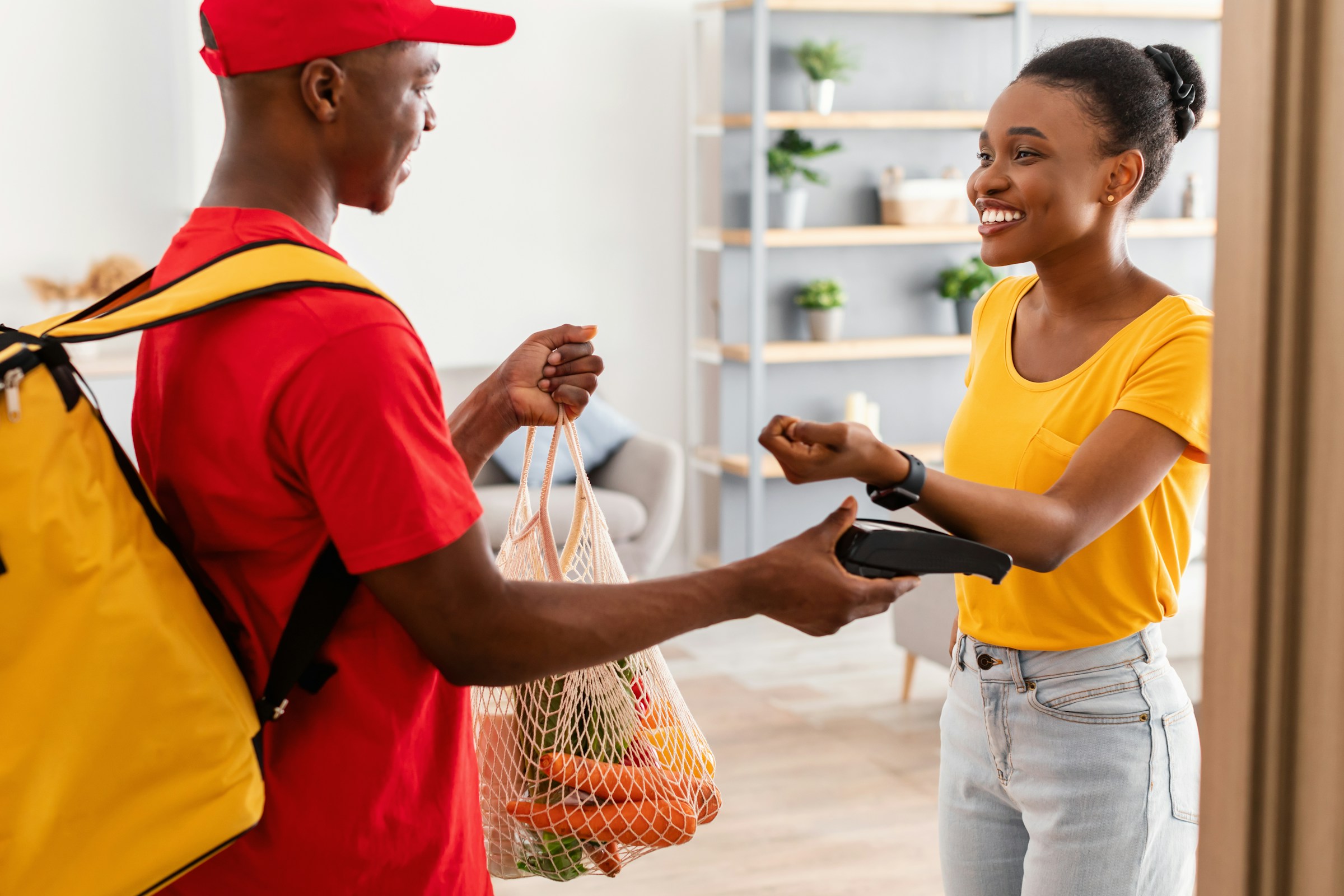
- Platform pickup (courier pickup): The courier collects orders from your location. This is easiest for most sellers.
- Merchant‑delivered: You deliver orders using your own staff or drivers. This gives more control but requires logistics.
- Hybrid: Use couriers for most orders and merchant delivery for large or local orders.
5. Train staff and test the flow
- Simulate orders. Run test orders to ensure packaging, timing, and handoff to couriers work smoothly.
- Train staff on order prep and labeling. Clear labels and checklists reduce mistakes during busy periods.
6. Launch and promote
- Announce on 1Knowledge MarketPlace and social channels. Tell customers they can now get delivery via DoorDash, Uber Eats, or Grubhub.
- Offer introductory promotions. Free delivery for first orders or a small discount can drive initial traction.

Pricing, fees, and profitability
Delivery platforms charge fees—commission on orders, delivery fees, and sometimes marketing fees. To stay profitable:
- Understand fee structures. Commissions vary by platform and market. Factor these into your pricing.
- Use menu engineering. Increase margins with higher‑margin add‑ons, combos, and suggested items.
- Offer tiered fulfillment. Encourage pickup or scheduled delivery for lower fees; reserve couriers for convenience orders.
- Promote direct repeat business. Use packaging inserts and receipts to invite customers to your 1Knowledge MarketPlace shop for future purchases, where you can avoid platform fees.
A simple formula to check profitability:
- Cost per order = product cost + packaging + labor + platform commission + delivery fee (if absorbed)
- Target margin = desired profit per order / selling price Adjust prices or absorb fees selectively to maintain competitiveness.

Operational tips for smooth delivery
Packaging and labeling
- Use tamper‑evident seals for food and fragile items.
- Include clear labels with order number, customer name, and any special instructions.
- Add a printed slip with your 1Knowledge MarketPlace shop link and a discount code for future online purchases.
Speed and accuracy
- Prioritize orders by promised pickup time.
- Keep a dedicated staging area for courier pickups to speed handoffs.
- Use order checklists to confirm items before handing to drivers.
Communication
- Keep customers informed via the delivery platform’s messaging tools.
- If delays occur, proactively message customers and offer small compensations when appropriate.
Inventory sync
- Track inventory across channels. If you sell the same SKU on 1Knowledge MarketPlace and delivery apps, update stock levels to avoid overselling.
Health and safety
- For food sellers, follow local health regulations and platform food safety guidelines.
- Train staff on safe handling and packaging.
Marketing strategies to maximize delivery sales
Leverage platform promotions
- Participate in platform marketing programs (featured listings, promotions) when ROI looks favorable.
- Use limited‑time offers to appear in “deals” sections.
Cross‑promote between channels
- Add QR codes on packaging linking to your 1Knowledge MarketPlace shop.
- Offer a discount code redeemable only on your marketplace listing to convert delivery customers into direct buyers.
Collect customer data ethically
- Encourage customers to sign up for your newsletter or SMS list for exclusive offers.
- Use post‑purchase messages to request reviews and feedback.
Local partnerships and events
- Coordinate pop‑ups or event appearances and promote delivery availability for customers who can’t attend in person.

Common challenges and how to solve them
High platform fees
- Negotiate with platforms if you have volume; test different platforms to compare net margins.
- Encourage pickup or direct orders for repeat customers.
Quality control during delivery
- Improve packaging and use insulated bags for temperature‑sensitive items.
- Train staff on packing to minimize damage.
Inventory mismatches
- Implement a simple real‑time inventory system or set conservative stock levels on delivery platforms.
Customer complaints
- Respond quickly and professionally. Offer refunds, replacements, or discounts when appropriate to preserve reputation.
Measuring success
Track these KPIs to evaluate delivery performance:
- Order volume by channel (delivery apps vs. 1Knowledge MarketPlace)
- Average order value (AOV)
- Gross margin per order after fees
- Repeat purchase rate from delivery customers
- Customer ratings and reviews on delivery platforms
- Fulfillment time and on‑time pickup rate
Use platform dashboards and your own sales records to monitor trends. If a platform consistently underperforms, reallocate resources to higher‑ROI channels.

Legal, tax, and compliance considerations
- Sales tax and reporting. Ensure you collect and remit sales tax correctly for delivered goods. Platforms may handle tax collection in some jurisdictions, but you remain responsible for accurate reporting.
- Permits and licenses. Food vendors must comply with local health department rules; retail sellers may need business licenses. Display required permits at your pickup location if applicable.
- Insurance. Consider vendor insurance or product liability coverage, especially for consumables.
Real‑world examples and use cases
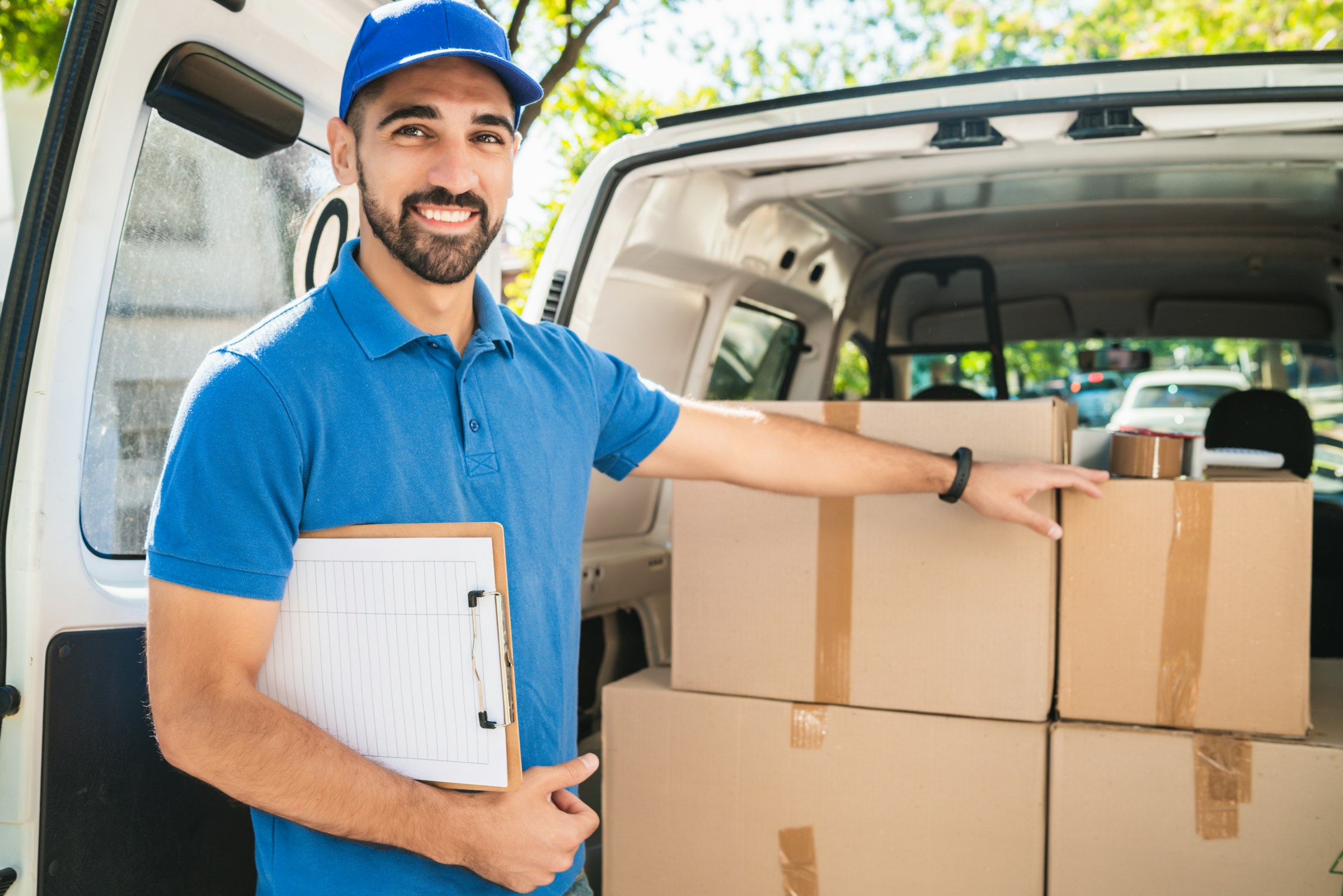
- Artisan baker: Lists signature pastries on DoorDash for morning commuters and offers same‑day pickup for local customers. Uses platform data to identify best‑selling items and creates weekly bundles on 1Knowledge MarketPlace.
- Handmade goods seller: Uses Uber Eats in a dense urban neighborhood to reach office workers who want gifts delivered quickly. Adds a discount code on packaging to drive marketplace repeat purchases.
- Mobile vendor: Sells at weekend markets and lists leftover inventory on delivery apps for local customers who missed the event, reducing waste and increasing revenue.

Final checklist to get started this month
- Select deliverable SKUs and design packaging.
- Register on one or two delivery platforms and complete merchant verification.
- Map SKUs and upload clear photos and descriptions.
- Set fulfillment hours and test order flow.
- Train staff on packing and courier handoffs.
- Announce launch on 1Knowledge MarketPlace and social media.
- Track orders, fees, and customer feedback weekly.
- Iterate pricing and promotions based on data.
Closing thoughts
For 1Knowledge MarketPlace sellers, integrating third‑party delivery platforms is a practical, scalable way to grow local sales, increase convenience for customers, and gather valuable market insights. Start small—test one platform, refine your packaging and operations, and use data to expand. With thoughtful pricing, clear communication, and consistent quality, delivery services can become a reliable extension of your marketplace presence and a powerful engine for growth.